
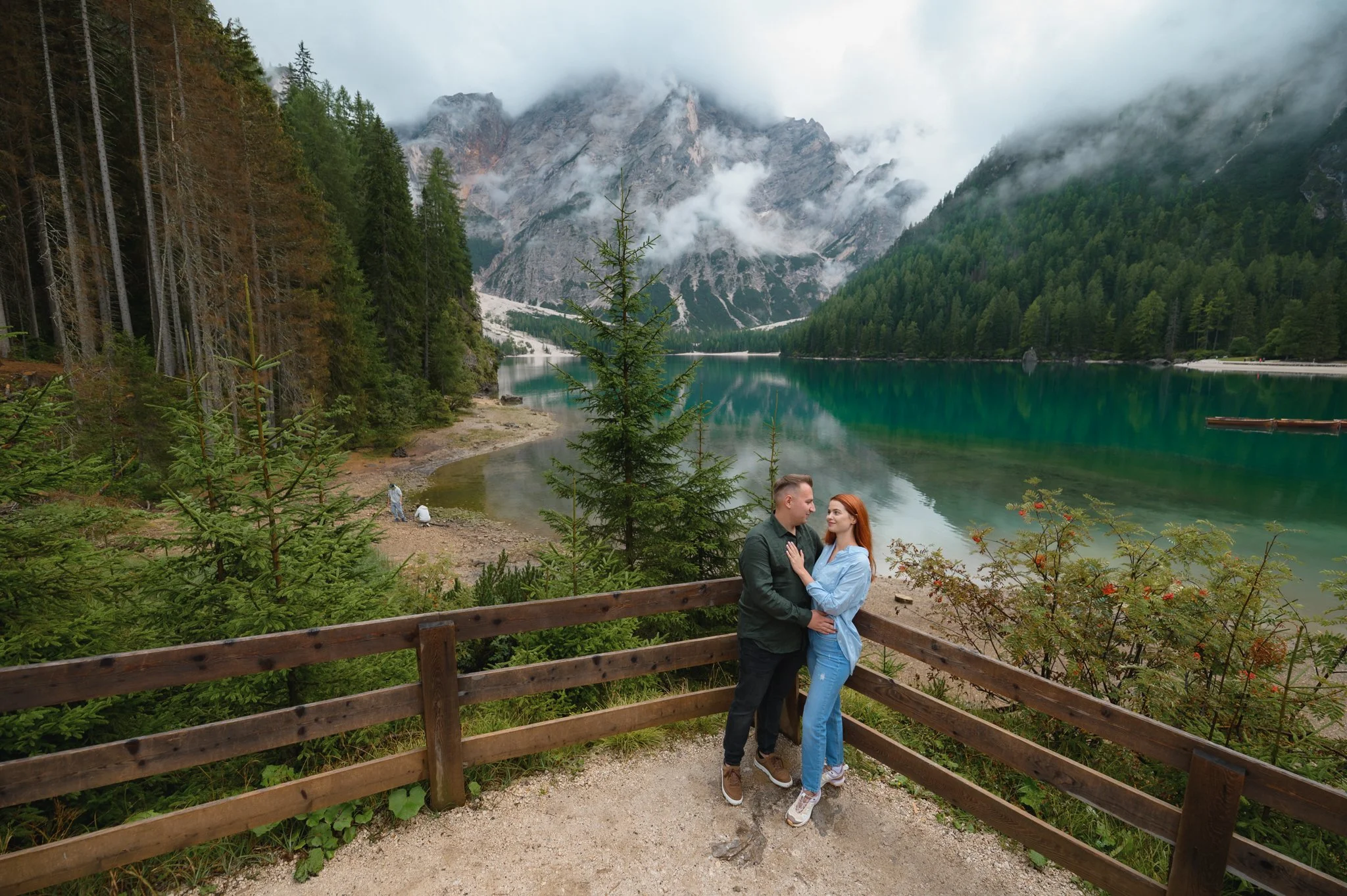
Important dates when visit the Dolomites
There’s a common assumption that the Dolomites are always accessible. They aren’t.
Between snow closures, seasonal roads, and lift schedules, what you can experience here depends entirely on when you come. The difference between a well-timed trip and a poorly timed one is not subtle — it’s the difference between reaching a place effortlessly or not at all.
These are the dates I pay attention to every year.
· · ·
Seceda (via Ortisei)
The ridgeline at Seceda is one of the most recognisable views in the Dolomites — and also one of the most misunderstood in terms of access.
The cable car from Ortisei operates:
Summer season: May 22nd – November 2nd
Winter season: early December – early April (varies yearly)
Outside these windows, the lift is closed.
You can reach Seceda on foot, but it’s a serious hike with over 1200m of elevation gain. For most visitors, the cable car is the only realistic option.
The last descent is usually around 5:30pm–6:00pm in summer, which means the best light often happens just after most people have already left.
· · ·
Alpe di Siusi
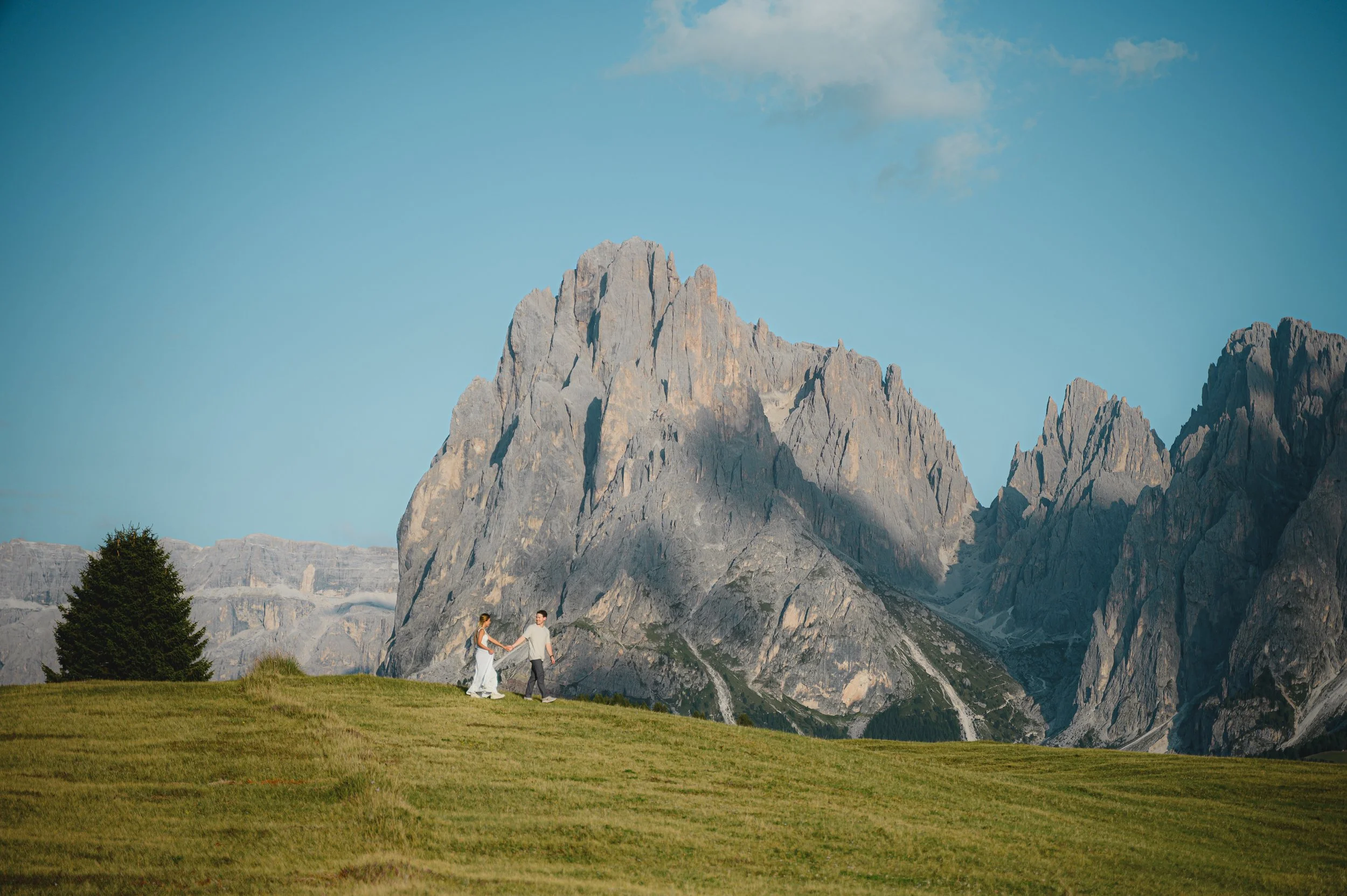
Engagement session at Alpe di Siusi
The largest alpine meadow in Europe looks effortless, but access is regulated.
Gondolas from Ortisei and Siusi run from May 22nd to November 2nd, and again in winter
The road is closed to private traffic from 9:00am to 5:00pm
This creates a very particular rhythm: quiet mornings, busy midday, then stillness again in the evening.
Staying overnight on the plateau changes the experience entirely.
· · ·
Tre Cime di Lavaredo
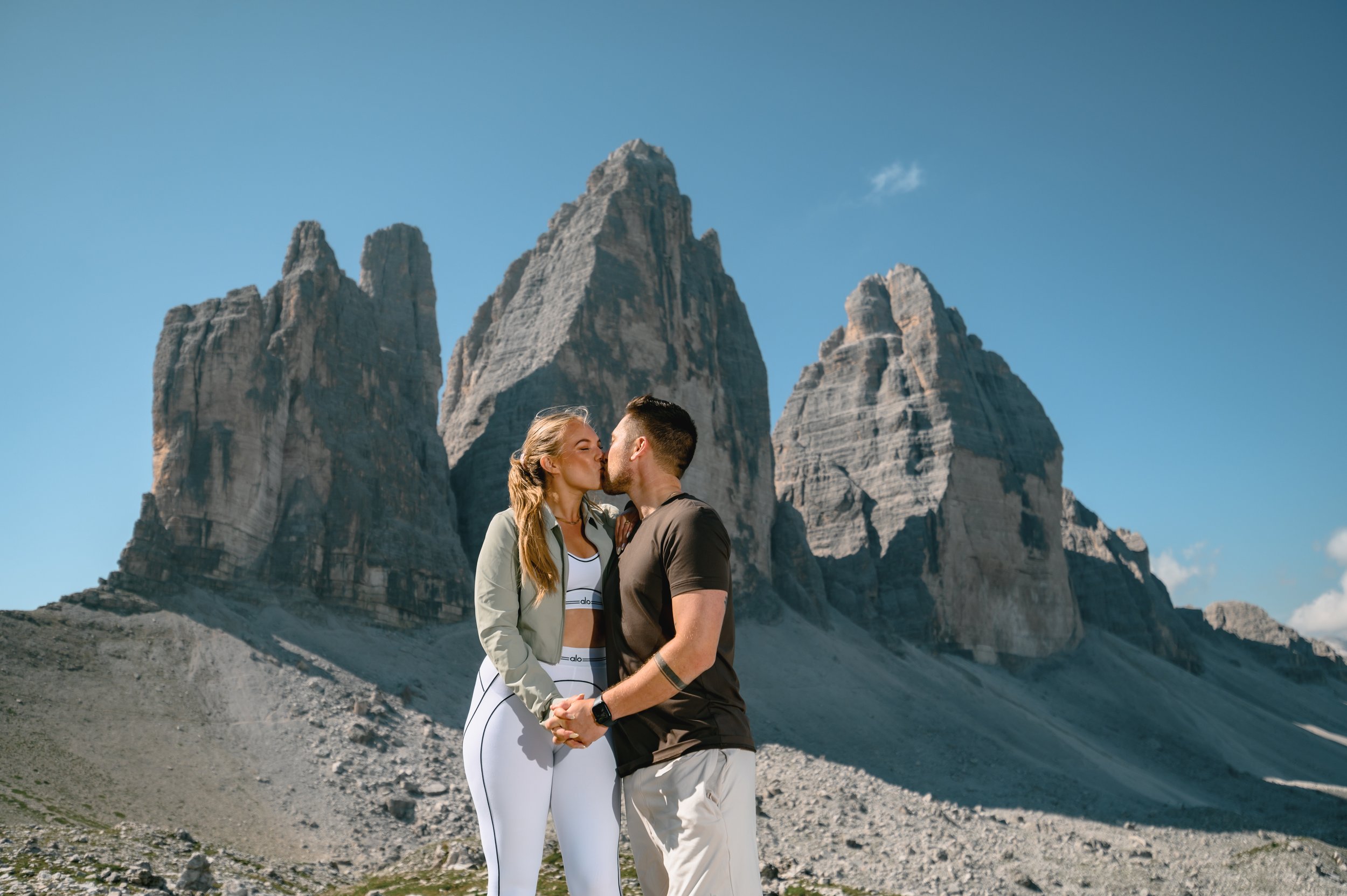
Access here is controlled by a private toll road from Misurina.
Road opening: typically late May / early June
Closure: usually late October, depending on snowfall
Access:advance booking is mandatory during peak season with limited daily availability
The reservation system is in place to limit traffic, and access without a booking is not guaranteed.
Even the simplest visit involves walking at altitude. Weather shifts quickly, often without warning.
· · ·
Cadini di Misurina
Often paired with Tre Cime and accessed via the same road.
Same seasonal window: June to October (approx.)
The viewpoint requires a 30–40 minute walk
The path is narrow in sections — not difficult, but exposed enough to require attention.
· · ·
Lago di Braies
One of the most photographed lakes in the Alps, and one of the most regulated.
Peak season July 1st to September 15th:
Parking must be reserved in advance
Access is restricted once capacity is reached
Off-season: freely accessible, with a completely different atmosphere
Early morning remains the only time the lake feels quiet.
· · ·
Passo Giau
One of the few locations with relatively consistent access.
Open year-round, weather permitting
No lifts or access restrictions
Conditions, however, change quickly. Snow, fog, and light all shift within a very short time.
· · ·
The Pattern Behind All of This
The Dolomites don’t follow a single, clean season.
Late May – June: partial openings, fewer people, less predictable conditions
July – September: full access, higher traffic
October: quieter, more atmospheric, but with increasing limitations
Winter: a completely different landscape, built around ski infrastructure
· · ·
What Actually Makes a Trip Work
It’s rarely about knowing where to go. It’s about knowing:
What will be open
A closed road or lift changes everything.
When a place is at its best
Light defines these landscapes more than location.
What you’re willing to trade
Convenience, solitude, predictability — you rarely get all three.
The people who enjoy the Dolomites the most aren’t the ones trying to see everything.
They’re the ones who arrive at the right place, at the right time — and stay long enough to notice what’s happening.
· · ·
A final note
If you’re considering a photoshoot or planning a proposal in the Dolomites, these details start to matter more. Access, light, and timing shape the experience as much as the location itself.
I spend most of the season working in these mountains and adjusting to their conditions day by day. If you’d like to explore an idea or understand what’s realistically possible during your dates, feel free to reach out — I’m always happy to have a conversation.